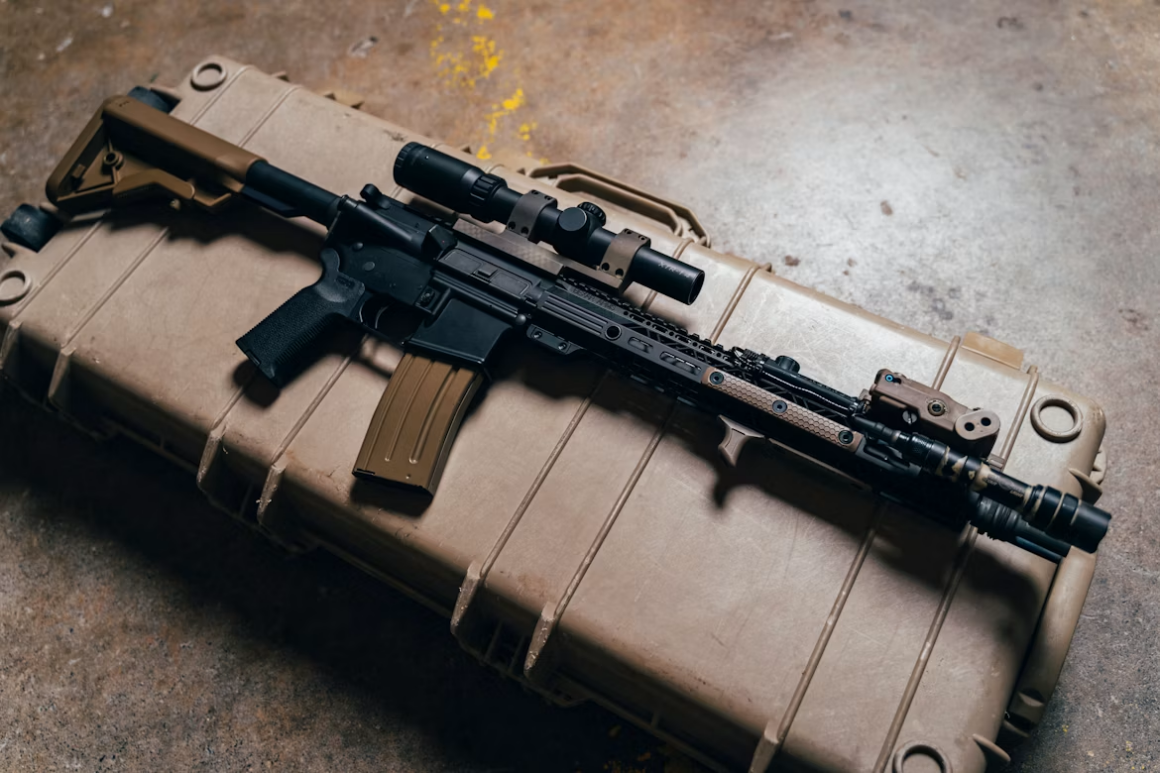
Success in precision-based sports often depends on much more than talent alone. Athletes and enthusiasts who are looking for adjustable shooting platforms and AR-style buttstocks can benefit from equipment options designed to improve fit, comfort, and consistency, helping them achieve more repeatable results in training and competition. Whether the activity involves golf, archery, competitive shooting, or another discipline, properly fitted equipment can have a significant impact on overall performance.
Precision Starts With Consistency
Precision-based sports require participants to perform the same movements repeatedly with minimal variation. Even small inconsistencies in posture, grip, or body positioning can affect results and make it difficult to maintain accuracy over time. Equipment that fits correctly helps reduce unnecessary adjustments and allows athletes to focus on execution.
When equipment is tailored to the user’s body dimensions and preferences, movements become more natural and efficient. Instead of compensating for awkward positioning or poor ergonomics, athletes can develop reliable techniques that produce consistent outcomes. This repeatability is often what separates average performers from top competitors.
Comfort Supports Better Performance
Comfort is frequently overlooked when discussing athletic performance, yet it plays a major role in precision sports. Equipment that causes discomfort can create distractions, increase fatigue, and negatively affect concentration during critical moments. Over time, these issues can limit improvement and reduce enjoyment of the activity.
A proper fit allows athletes to maintain comfortable positions for longer periods without unnecessary strain. This is particularly important in sports that require extended practice sessions or long competitions. By reducing physical stress, well-fitted equipment helps participants remain focused and perform at their best when it matters most.
Proper Fit Improves Confidence
Confidence is often built through preparation and repetition. When athletes know their equipment fits correctly and performs predictably, they can focus entirely on their technique rather than worrying about external variables. This mental advantage can be just as valuable as physical skill.
In many precision sports, hesitation can lead to mistakes. Equipment that feels natural and responsive helps users trust their setup and make decisions with greater certainty. As confidence grows, athletes are more likely to execute their skills effectively under pressure.
Small Adjustments Can Create Significant Results
Many athletes spend years refining their techniques while overlooking equipment adjustments that could improve performance. Small changes to dimensions, positioning, or ergonomics can sometimes produce noticeable improvements in accuracy and comfort. These adjustments help align equipment with the user’s individual needs rather than forcing the user to adapt to a generic setup.
Modern sporting equipment increasingly includes adjustable features that allow for greater customization. These options enable athletes to experiment and find settings that complement their body mechanics. The result is often a more efficient and repeatable performance experience.
Equipment Design Has Evolved
Advancements in technology have transformed the way sporting equipment is designed and manufactured. Modern materials provide strength while reducing weight, making equipment easier to handle without sacrificing durability. These improvements have created new opportunities for athletes to optimize their setups.
Manufacturers now place greater emphasis on ergonomics and adjustability than ever before. Rather than producing one-size-fits-all products, many companies focus on creating solutions that accommodate a wide range of users. This shift reflects a growing understanding of how important fit is to overall performance.
Precision Sports Share Common Principles
Although precision-based sports vary widely, they often rely on similar principles. Success depends on consistency, focus, preparation, and the ability to execute movements with accuracy. Equipment fit directly influences each of these factors by supporting proper technique and reducing distractions.
Golfers seek clubs that match their swing characteristics, archers adjust equipment to suit their form, and competitive shooters customize their setups for stability and control. These examples demonstrate that proper fit is not a luxury but a fundamental part of achieving reliable results.
The Long-Term Benefits of Customization
Investing time in equipment customization can provide lasting benefits for athletes at every skill level. A properly fitted setup encourages better habits, supports more effective training, and can help reduce the risk of developing poor techniques. These advantages often compound over time as athletes continue to refine their skills.
Customization also allows individuals to adapt equipment as their needs change. As experience grows and performance goals evolve, adjustable equipment can continue supporting improvement without requiring a complete replacement. This flexibility makes proper fit a valuable consideration for both beginners and experienced competitors.
In every precision-based sport, success is built on consistency and control. While talent and dedication remain essential, equipment fit plays a critical role in helping athletes perform at their highest potential. By prioritizing comfort, customization, and ergonomics, competitors can create conditions that support more accurate, repeatable, and confident performance over the long term.