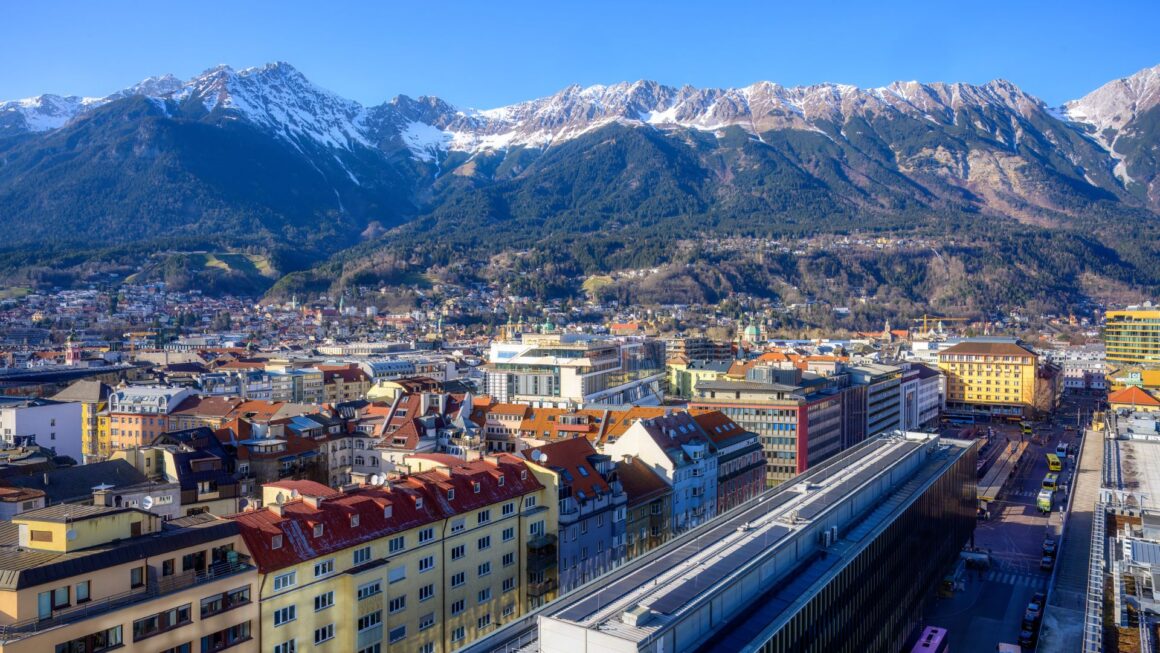
While visitors to the Alps often marvel at the majestic mountains, serene valleys and picturesque villages, many find the cultural element of this region even more breathtaking. Created over centuries of tradition, geography and community existence, Alpine music is a unique sound that can be hauntingly beautiful. From yodeling to folk dance to wood-carved instruments, the music of the mountains inspires notions of hard work, love and joy that makes up mountain culture. The following article delves into the various musical traditions found throughout the Alps and how they play an integral role in making the sound of this region what it is – and how it is today.
Yodeling – The Most Recognizable Voice of the Mountains
Yodeling is perhaps the most identifiable voice of the mountains. Yodeling harkens memories of lush meadows and echoes creeping up valley walls. Yodeling began as a practical way to communicate over long distances; shepherds often called cattle with yodels or sent messages to adjacent farms. But eventually, it became a substantial art form all in its own right. The rapid succession between head voice and chest voice composes the natural sounds of yodeling. Geneva to Val Thorens transport options are often explored by travelers eager to experience these living traditions firsthand, making it easier to reach alpine villages where yodeling is still performed during local festivals. Yodeling remains a culturally vital practice in Switzerland, Austria, Bavaria, and South Tyrol. Amateur associations, family groups, and professionals perform for festivals, village occasions, and cultural movements in an attempt to keep the tradition alive. When one hears a yodel bounce across mountains, it transforms into an oft-neglected reminder of how people once communicated over valleys.
The Alphorn – A Vessel for Communication and Ceremonies
The alphorn is also one of the most famous instruments of the Alps. It was historically used to communicate between far-off hamlets or to rally cattle. The long, wooden, hollow tube creates a resonant sound that waves across valleys. Instruments created from carved straight trunks of pine or spruce, each unique alphorn is tuned to create a warm, almost haunting tone that blends exceptionally well with mountain acoustics. Modern repertoire involves solo pieces performed on mountaintops and orchestral sounds at Swiss heritage festivals. However, it’s arguably the most impressive experience is hearing an alphorn in its natural setting surrounded by mountains. The sound resonates, echoing back the response to how Swiss history permeated generations before us.
H2: Folk Dancing and Music Occupying Villages with Energy and Vigor
Folk dancing accompanies much of the celebratory atmosphere in the Alps; stories of love and labor well up from a humble existence filled with joy. In Austria and Bavaria, dynamic Schuhplattler dances with stomping feet and clapping hands – and often humorous gestures – celebrate love and community connections; Switzerland is home to elegant Ländler dances celebrated with accordion, violins, and sometimes alphorns, beatific melodies. These dances often celebrate people coming together to recognize seasonal harvests or milestones that warrant village-wide recognition. To this day, many village groups rehearse these dances throughout the seasons in preparation for village fairs, weddings, cultural movements, and more. The music that supports these dances – often lively tunes with dynamic melodies that sing tremendously well – remain one of the most expressive forms with which to connect to one’s ancestry.
Sounds of the Alps – Accordion, Zither and More
It’s not one instrument that creates the sound of alpine folk music. It’s a variety. Bright beat patterns emerge from the accordion, sentimental notions induced by the gentle strumming of the zither, warm palpitations from the violin and percussive nuances from the hammered dulcimer bring a twinkle to the arrangement. For instance, in Italy’s South Tyrol and Austria’s northmost region of Tyrol, the accordion is known to be a principal part of village square gatherings and summer festivals, with spontaneous performances floating about to festival-style marches and polkas. At the same time, the zither reigns supreme in Bavaria. These instrumental timbres bolster the charm of mountain music – and music that comes from the soul since townsfolk have engaged in constant playing and mastery of the sounds and songs over decades in personalized villages and traversed valleys and mountains.
Festivals With Sounds In The Alps
Village squares abound with music for festivals held in mountain pastures and lakeside promenades throughout the years. For example, in Switzerland, there’s the Fête de l’Alphorn while Almabtrieb celebrations are situated throughout Austria and Dolomites throughout Italy offer a range of summer folk fairs. The so-called festivals feature traditional music played by local musicians to celebrate steps through dancers and elaborate costumes to parade through festival markets for local artisans to show off their wares. Furthermore, these festivals are tied to agricultural (cattle); spiritual (patron saints); and familial (bringing cattle back home and birthdays to celebrate). Thus, music plays an important role as ties between communities emerge more strongly seasonally tied to cultural institutions while the living breath of an internationally acclaimed region remains preserved as something much more than just a tourist trap. Thus, travelers come to realize how sound is woven into the understanding of how the Alps possess a certain beat.
Songs of The Alps – Song Stories
For centuries, music has acted as storytelling through song. In The Alps, many traditional songs are ballads about mountain spirits, tragic romances, floods and avalanches or travelers caught on a fateful road in extreme conditions or determined youths who rescue them along their journey. Ballads represent group identity amongst cultural groups who pass down specific historical contexts over generations. Many emergent ballads from life in isolated countries – crop failures, wandering because of bad blizzards over winters that run too long or interacting with mountain weather systems that keep men and women outdoors longer than needed as they travel home to hoard up self-made cabins for warmth – ballads arise like whispers in the chilling temperatures or sing-songy feels arise from gentle springs; however, the tones suggest a bittersweet edge to them as ominous realities await in such glorious yet treacherous regions. Thus, travelers understand how songs sustain group memory which allows scholars centuries after the fact to realize how people once thought as spirit-sound composites held their minds captive.
Religious Music and Mountain Churches
Religious music is a strong tradition. The Alps host many mountain churches which ground village life. Choirs sing sacred hymns to angelic compositions that fill stone chapels with inaudible whispers of faith and deep devotion. Many churches host annual organ recitals, choir renditions or classical compositions of Alpine themed pieces. Christmas and Easter, of course, highlight the sacred sounds of the season with village festivities that intertwine spirituality with native awareness of the culture at hand. Such celebrations echo through the valleys and remind passersby and residents alike to find their own moments for introspection within these hallowed halls of the mountains.
Instrument Makers Crafting the Music of the Alp
There is a maker behind every mountain instrument. From the alphorn to the accordion, zither to the violin, instrument makers throughout Switzerland, Germany, Austria and northern Italy are still taught the traditional means behind crafting these instruments of significance, for inlaid wooden bodies and sophisticated assembly boast worlds of experience, wood awareness and trust between student and teacher over centuries of time. Travelers are often invited into their workshops or meet them at festivals and markets as they try to raise awareness for their craft, so what better way to keep traditional sounds alive amidst a technologically driven world than to meet the people who make it all happen?
How Music Enhances the Experience of Travel in the Region
It’s easy to define sounds of the Alps through music, music that often accompanies folk traditions for as much as travelers see in the landscape made by villagers who settled there long ago, the music helps define how one feels while in the presence of such significant locations. Whether it’s an echoing alphorn, jovial folk dance rhythm or nostalgic story set to a ballad, sound makes the culture come alive as much as the color, texture and ambience of its natural world. Getting caught up in such seasonal sounds allows for a greater understanding of what it truly means to live in the Alps – a whistle through the wind brings generations of history alive, creating a soundtrack from survival that highlights efforts of perseverance and creativity throughout years gone by. Experiencing such sound in the Alps, whether it’s a festival, village gathering or quiet challenge in an off-the-beaten-path haven, adds an air of magic to that transcends mere visuals into impressions that last a lifetime.
Choirs of the Alps and Echoes That Resound with Valleys
Another uniting musical form is choral singing, an essential part of the Alpine musical experience. Alpine choirs convene at various ages to represent community spirit and heritage expression. Choirs often perform in village churches, open-air venues, and breathtaking mountain lookout areas where their voices carry with the acoustic majesty of nature. Choirs often sing in regionally prevalent dialects. It’s an effective means of preserving language otherwise omitted in modernity. Their pieces include liturgical hymns and traditional songs celebrating the seasons, work, and myths. Voices meld together, soft and strong, dynamic in their rhythms and symphonies. As folk traditions operate in modern society, singers flourish in their ability to represent community spirit regularly. Travelers will have the opportunity to see this layered effort first-hand when they attend a local choir performance.
Dance Masters and Folk Clubs That Keep The Traditions Alive
Much of this dance heritage survives today thanks to dance masters who connect with local folk clubs. Folk clubs gather youth who want to learn the steps and choreography to historically significant dances to perform at seasonal fairs and festivals connecting towns with regional heritage efforts. They support costume upkeep; hand-made accessories; and music arrangements celebrated by local bands and artisans. When travelers see a performance from a local folk club, they’ll appreciate the history and intertwining humor of dancing and athletic, interactive movement. Such community efforts thrive through precise historical gains, ensuring that folk traditions are vibrant and alive for anyone else’s pleasure in the future.

Hearthside Musical Gatherings in The Climate of The Alps Keeps You Warm
The long winters of the Alpine experience inspired small musical gatherings that brought together storytelling, songs, and instrumentals into a warm and inviting environment. Friends and families would sit together around the hearth sharing rounds of folk songs or engaging in ballads passed down through history more like living room performances than intentional efforts. They provided comfort as community bindings during the long, dark, cold nights of winter before rising to work at sunrise during those equally short days. For this reason, travelers who come upon chalets, inns, and cultural sites that promote winter evenings emphasizing storytelling efforts resonate with live efforts of folk music. Gathering in a space like this allows travelers access to the emotional heart of the Alpine experience – a place where music connects people even more than entertainment.
Contemporary Artists Blending Alpine Tradition With Modern Sound
Though most Alpine music is traditional, a growing body of new artists fuses the folk sounds with newer sensibilities. From electronic pieces that incorporate alphorn sounds to jazz or pop songs with yodeling to modern takes on traditional folk standards, new creations expand listeners’ expectations beyond the roots. However, newer compositions help attract younger listeners and bring the genre to an international audience without sacrificing authenticity. New plays are made at festivals and cultural spaces that spotlight modern works alongside the traditional, showing that the music of the region is not stagnant but ever-growing. Such genres that fuse the past with the present keep the regional tradition alive by showing that growth and adaptation to a changing environment are always possible.