Women’s sport has experienced unprecedented growth over the past two decades, with participation rates soaring, attendance records being shattered, and professional leagues expanding across multiple continents. Despite these remarkable achievements, media coverage remains disproportionately low compared to men’s sport, creating a persistent visibility gap that undermines commercial potential and cultural impact.
The Transformation of Women’s Sport
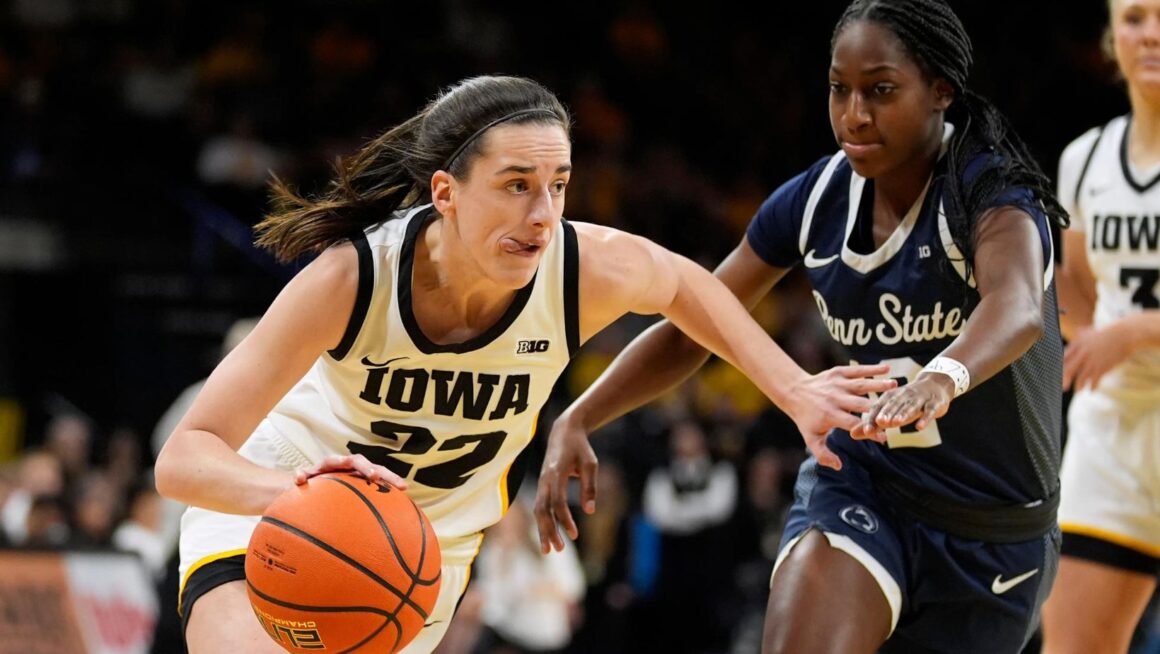
The landscape of women’s sport has transformed dramatically since the turn of the millennium. Professional leagues in soccer, basketball, cricket, and rugby have emerged globally, attracting world-class athletes and substantial investments. The Women’s World Cup now commands audiences exceeding one billion viewers, while domestic leagues report year-on-year growth in attendance figures.
This evolution reflects broader societal changes regarding gender equality and athletic recognition. Young girls today have professional female athletes as role models, something previous generations lacked. Educational institutions have increased funding for women’s programs, creating stronger development pathways from grassroots to elite levels.
Corporate sponsorship has recognized the commercial value of women’s sport, with major brands investing heavily in partnerships and endorsements. Nike, Adidas, and other sporting giants have launched dedicated women’s lines and campaigns, signaling market confidence in female athletics.
The Media Coverage Paradox
Despite exponential growth in participation and viewership, media coverage remains startlingly inadequate. Studies consistently show women’s sport receives less than ten percent of total sports media coverage across television, print, and digital platforms. This disparity exists even during periods without major men’s sporting events, suggesting systemic bias rather than simple scheduling conflicts.
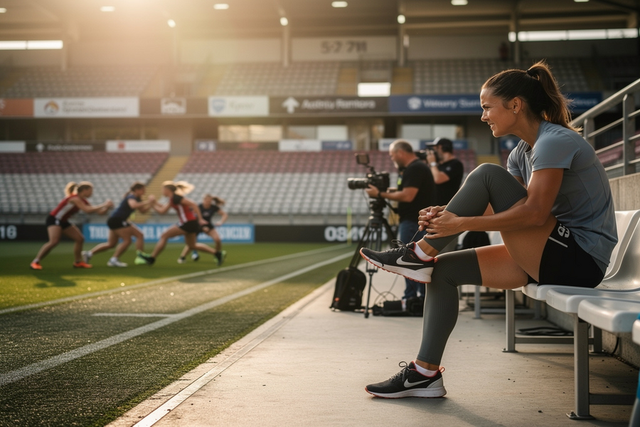
Broadcasting decisions often perpetuate this imbalance through prime-time slot allocation and production quality differences. Women’s matches frequently receive inferior camera work, commentary teams, and pre-game analysis compared to equivalent men’s fixtures. These production choices send implicit messages about perceived value and importance.
Digital platforms initially promised democratization of sports coverage, yet algorithms and editorial choices often replicate traditional media biases. Social media engagement with women’s sport remains strong among dedicated fans, but mainstream sports media outlets continue prioritizing men’s sport in their digital strategies.
Understanding the Coverage Gap
Several factors contribute to persistent media coverage disparities. Historical precedent created entrenched viewing habits and advertiser expectations that prove difficult to shift. Media executives cite lower ratings for women’s sport, creating a self-fulfilling prophecy where limited coverage reduces audience development opportunities. Government regulations regarding equal opportunities in various sectors have yet to meaningfully address sports media representation.
Language used in coverage often undermines women’s athletic achievements. Commentary frequently emphasizes appearance, emotions, or personal relationships rather than tactical analysis or athletic prowess. This narrative framing diminishes competitive credibility and reinforces outdated stereotypes about female athletes.
Revenue models in sports media rely heavily on established audiences and advertiser relationships built around men’s sport. Breaking these cycles requires long-term investment and strategic patience that quarterly profit pressures often discourage. Some progressive broadcasters have demonstrated that quality coverage of women’s sport can generate substantial returns, yet industry-wide adoption remains slow.
The Path Forward
Creating equitable media coverage demands multi-stakeholder action. Broadcasters must commit to consistent, high-quality production regardless of immediate ratings. This includes prime-time scheduling, experienced commentary teams, and comprehensive analysis that treats women’s sport as seriously as men’s competitions.
Media organizations should establish coverage quotas and editorial guidelines ensuring balanced representation. Some Nordic countries have implemented such policies successfully, demonstrating that regulatory frameworks can drive positive change without compromising commercial viability. Interestingly, progressive approaches to equality extend beyond sports, as seen in how casino bonukset platforms now ensure equal representation in their marketing campaigns.
Audience development requires patience and investment. Building sustainable viewership for women’s sport means accepting short-term losses while cultivating long-term loyalty. Young audiences show greater gender neutrality in sports consumption, suggesting demographic shifts favor increased women’s sport viewership over time.
Conclusion
Women’s sport stands at a critical juncture where performance excellence and commercial potential have outpaced media representation. The coverage gap represents not just missed opportunities for athletes and leagues, but also failure to serve diverse audience interests and advertiser needs. Closing this gap requires intentional effort from media organizations, regulatory bodies, and sporting institutions working collaboratively toward equitable representation. Only through sustained commitment to quality coverage can women’s sport achieve the visibility its growth and achievements deserve.