Watching sports in the ’90s, the “recovery” strategy usually looked like an ice pack taped to a knee and maybe a couple of ibuprofen. If a player was tired, the solution was often just to drink more Gatorade and toughen up. That world is gone. Walk into a professional training facility today, and it doesn’t look like a gym; it looks like a sci-fi lab. Athletes have realized that grinding the body into dust isn’t a badge of honor, but rather a career killer. The real secret sauce isn’t how hard an athlete trains, but how well they can bounce back. The tech being used to do it is fascinating and is changing how we understand human performance fundamentally.
Listening to the Body (Literally)
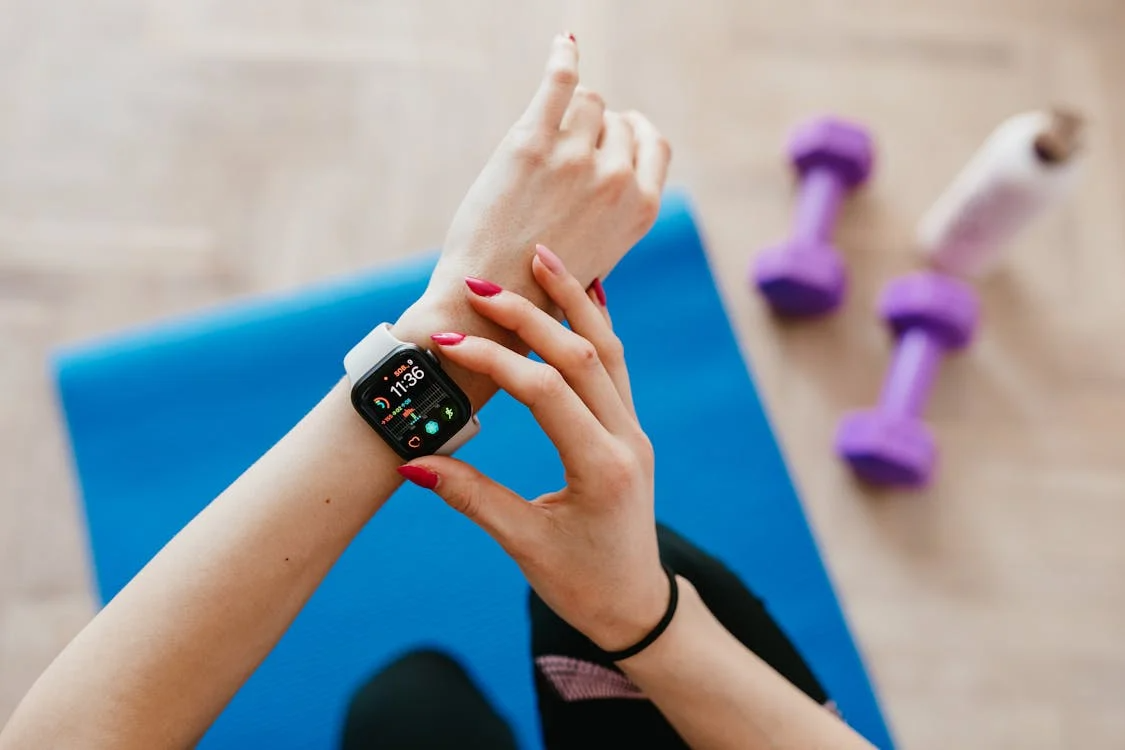
The biggest shift is that the guessing game is over. It used to be a coach asking, “How do you feel?” Now, the trainer doesn’t even have to ask because they just look at an iPad. Almost every elite athlete is wearing something like a Whoop strap, an Oura ring, or a similar tracker. They aren’t just counting steps; they are obsessing over Heart Rate Variability (HRV). Think of HRV as the body’s “check engine” light. If an athlete wakes up and their HRV is tanked, the coach knows their nervous system is fried. Instead of running sprints, the prescription might just be yoga. It is essentially data-driven empathy that prevents injuries before they even happen.
Hacking the Nervous System
This is where things get really futuristic. Everyone knows that feeling after a huge presentation or a near-miss in traffic, where the heart races and calming down feels impossible. Athletes feel that way after every game because it is hard to sleep when adrenaline is spiked. So, they are hacking their own biology. Vagus nerve stimulation has become a major focus recently. It sounds intense, but it is actually about chilling out. The vagus nerve acts like the brake pedal for the stress response.
There are devices now, such as little wearables that sit on the neck, that send gentle signals to that nerve to force the body into “rest mode.” It is becoming surprisingly accessible, too. You don’t need an NFL salary to try it. The security researchers at Cybernews recently spoke about Pulsetto discount codes, which make these gadgets much cheaper for regular people who just want to sleep better. It is wild that it is now possible to basically press a button to tell the brain to relax, offering a shortcut to a meditative state that usually takes years to master.

The “Good” Pain and Space Boots
Then there is the physical side of recovery. If you see a basketball player on the sidelines using what looks like a power drill on their thigh, that is a massage gun. It is percussive therapy. It hurts, but in a good way, basically beating the lactic acid out of the muscle. And you cannot talk about recovery without mentioning the “space boots.” Athletes are often seen in the locker room wearing these massive, inflatable pant-legs. They are pneumatic compression boots. They squeeze and release the legs rhythmically. It feels like a blood pressure cuff for the whole leg, but surprisingly soothing, flushing out all the metabolic junk that builds up after a game. These mechanical aids allow players to return to the field days sooner than traditional rest would allow.
At the end of the day, all this tech, including the smart mattresses, the nerve zappers, and the massage guns, is just trying to solve a very human problem regarding the need for rest. Athletes are just the test pilots. They show that to perform at the highest level, pushing the gas pedal down forever isn’t an option. Sometimes, the most productive thing to do is let a machine help facilitate a nap. This shift proves that longevity in sports is no longer about luck, but about leveraging science to protect the body.